Why AI-Generated Packaging Reference Images Cannot Be Priced Directly
Introduction
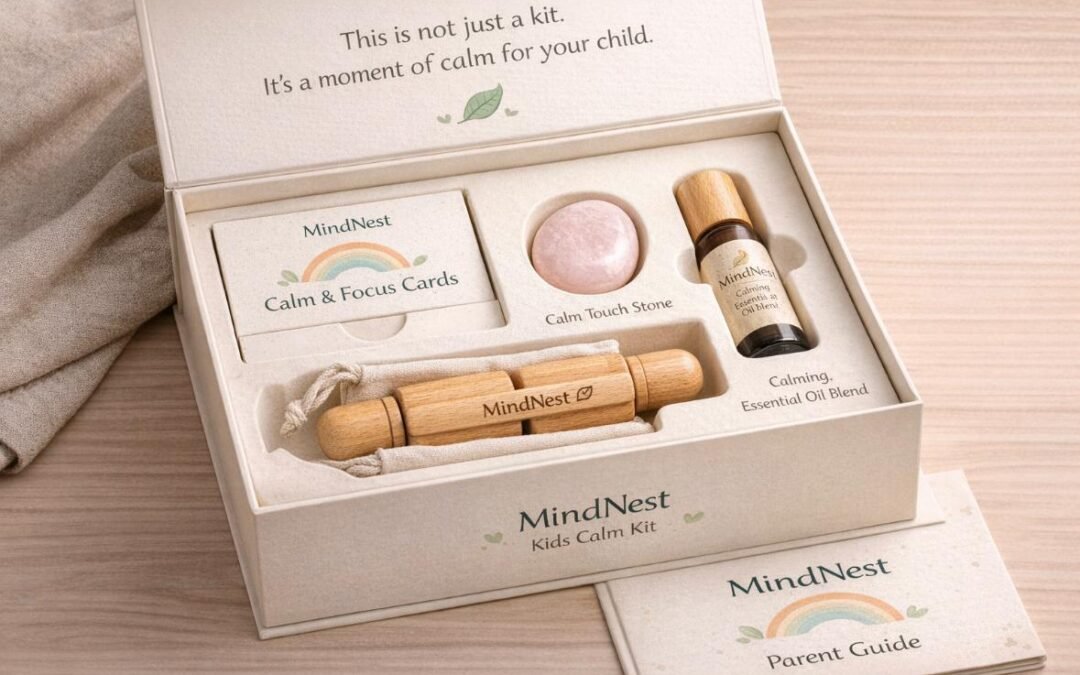
Today many founders share AI generated packaging reference images and ask whether rigid box packaging can be priced directly from them. Many businesses today bring AI-generated packaging reference images and expect immediate pricing, especially for rigid box packaging projects.
They use AI tools, Pinterest boards, or concept visuals to imagine how their packaging should look. These reference images are extremely useful during early planning stages. However, they often create confusion when used as the basis for immediate production pricing.
AI-generated packaging visuals are helpful for communicating ideas, but they cannot directly define production-ready rigid box packaging specifications.
At BoxCraft, we frequently receive enquiries where clients share AI-generated packaging visuals and ask for quotations before the structure, materials, inserts, and feasibility requirements are defined. This article explains why packaging reference images are helpful starting points — but not sufficient for accurate manufacturing estimates.
Why AI-Generated Packaging Images Are Becoming Common in Packaging Planning
AI tools now allow founders to visualize packaging ideas quickly. This helps early-stage brands communicate direction more clearly than before.
Typical examples include:
• rigid box presentation concepts
• magnetic flap gift box visuals
• candle packaging mockups
• cosmetic kit packaging renders
• insert-based product packaging layouts
These references improve communication — but they do not represent production-ready packaging specifications.
Why AI-Generated Packaging Images Are Becoming Common in Packaging Planning
AI tools now allow founders to visualize packaging ideas quickly. This helps early-stage brands communicate direction more clearly than before.
Typical examples include:
• rigid box presentation concepts
• magnetic flap gift box visuals
• candle packaging mockups
• cosmetic kit packaging renders
• insert-based product packaging layouts
These references improve communication — but they do not represent production-ready packaging specifications.
What Reference Images Usually Do Not Show
Most AI-generated packaging visuals focus on appearance rather than structure.
They typically do not define:
• board thickness
• paper type and finish
• insert structure
• magnet placement
• hinge construction
• production folding method
• transport protection requirements
• export suitability
• minimum manufacturing quantities
Because these details affect feasibility and cost significantly, quotations cannot be based on appearance alone.
Why Packaging Structure Must Be Defined Before Pricing
Rigid box packaging is not a standard catalogue product. Even when two boxes look similar visually, they may require completely different construction methods.
For example:
A magnetic flap rigid box shown in a concept image may require
• different board thickness
• reinforced side walls
• foam or paper inserts
• ribbon opening support
• matte or soft-touch lamination
• export-ready protection strength
Each of these decisions affects production planning and pricing.
This is why packaging structure usually needs to be clarified before accurate estimates can be shared.
Reference Images Are Still Extremely Valuable
Although they cannot be priced directly, reference visuals are very helpful during packaging development.
They help define:
• presentation expectations
• opening experience
• product positioning level
• insert layout direction
• finishing preferences
• branding style intent
When used correctly, reference images reduce ambiguity and speed up packaging planning.
The Right Way to Use AI Packaging Reference Images
Instead of asking whether a reference image can be manufactured exactly as shown, it is more useful to treat the image as a direction for structured packaging planning.
A better approach is:
Step 1 — Share reference images
Step 2 — Define product dimensions and protection needs
Step 3 — Select suitable rigid box structure
Step 4 — Align insert strategy
Step 5 — Confirm material direction
Step 6 — Move toward sampling or production
This process converts visual inspiration into production-ready packaging decisions.
Why Many Early-Stage Packaging Projects Need Development Support First
Startups and new product launches often begin with ideas rather than finalized packaging specifications.
Clients at early planning stages often begin with packaging development support before production quotation is finalized.
Typical early-stage enquiries include:
• candle packaging concepts
• cosmetic rigid box ideas
• gift packaging visuals
• export presentation packaging
• multi-component kit packaging
These projects benefit from a short packaging development stage before manufacturing quotation.
This helps ensure the packaging works correctly in real-world handling conditions.
How BoxCraft Supports Clients Moving From Idea to Production Packaging
At BoxCraft, we work with brands and startups during early packaging planning stages to translate reference visuals into feasible rigid box structures.
This typically includes support with:
• structure selection
• insert planning
• material direction
• protection requirements
• artwork alignment with packaging format
• preparation for sampling or batch production
This structured approach helps clients move forward confidently instead of comparing multiple incomplete quotations.
When Packaging Pricing Can Be Shared Immediately
If packaging specifications are already finalized, quotations can usually be shared directly.
Examples include:
• confirmed rigid box dimensions
• finalized artwork files
• insert structure defined
• board thickness selected
• production quantity known
In these cases, pricing becomes straightforward.
When Packaging Development Support Is Recommended
Development support is useful when:
• packaging is being designed for the first time
• reference images are AI-generated or conceptual
• inserts are required for protection
• fragile products are involved
• export handling conditions must be considered
• presentation quality is important
This is especially common for startups preparing their first rigid box packaging production runs. Clarifying these details early helps avoid redesign later.
Why This Matters for Startup Packaging Projects
Startups and new product launches often begin with concept visuals before packaging specifications are finalized. Translating these ideas into production-ready rigid box packaging requires structure planning, insert alignment, and material direction before accurate quotations can be shared.
Check How we support Startups.
Conclusion
AI-generated packaging visuals are powerful tools for communicating ideas. However, they represent a starting point rather than a production specification. By translating reference images into structured packaging decisions first, brands can move toward sampling and manufacturing with clarity and confidence.
Businesses planning rigid box packaging based on reference visuals often begin with a short packaging development stage before production quotation is finalized. If you already have a reference image, the right next step is to translate it into a production-ready packaging structure before costing.